
A journey through our collection
One leaf.
Four expressions.
Freshness. Roasted warmth. Umami. Texture.
Discover the teas at the heart of GINZA FUKA, and find the expression that speaks to you.
01 / The same tea family
Different paths.
Remarkably different cups.
All four belong to the green tea family and come from the tea plant, Camellia sinensis. Here, “green tea” in our collection is introduced through sencha. Growing and processing choices help shape what you taste.
Choose a tea to follow its journey.
Sencha
How it grows
Usually grown in open sunlight.
How it is finished
Steamed, rolled and dried.
How you enjoy it
Infuse the leaves, then pour off the tea.
Houjitcha
How it grows
Depends on the tea chosen for roasting.
How it is finished
Tea leaves or stems are roasted.
How you enjoy it
Infuse the roasted tea, then strain.
Gyokuro
How it grows
Shaded before harvest.
How it is finished
Steamed, rolled and dried.
How you enjoy it
Infuse gently; savour a small serving.
Matcha
How it grows
Shaded before harvest.
How it is finished
Steamed and dried without rolling into tencha; then finely ground.
How you enjoy it
Suspend the powder in water; drink the leaf itself.
A guide to typical styles. Cultivar, place, harvest and preparation also shape each cup.
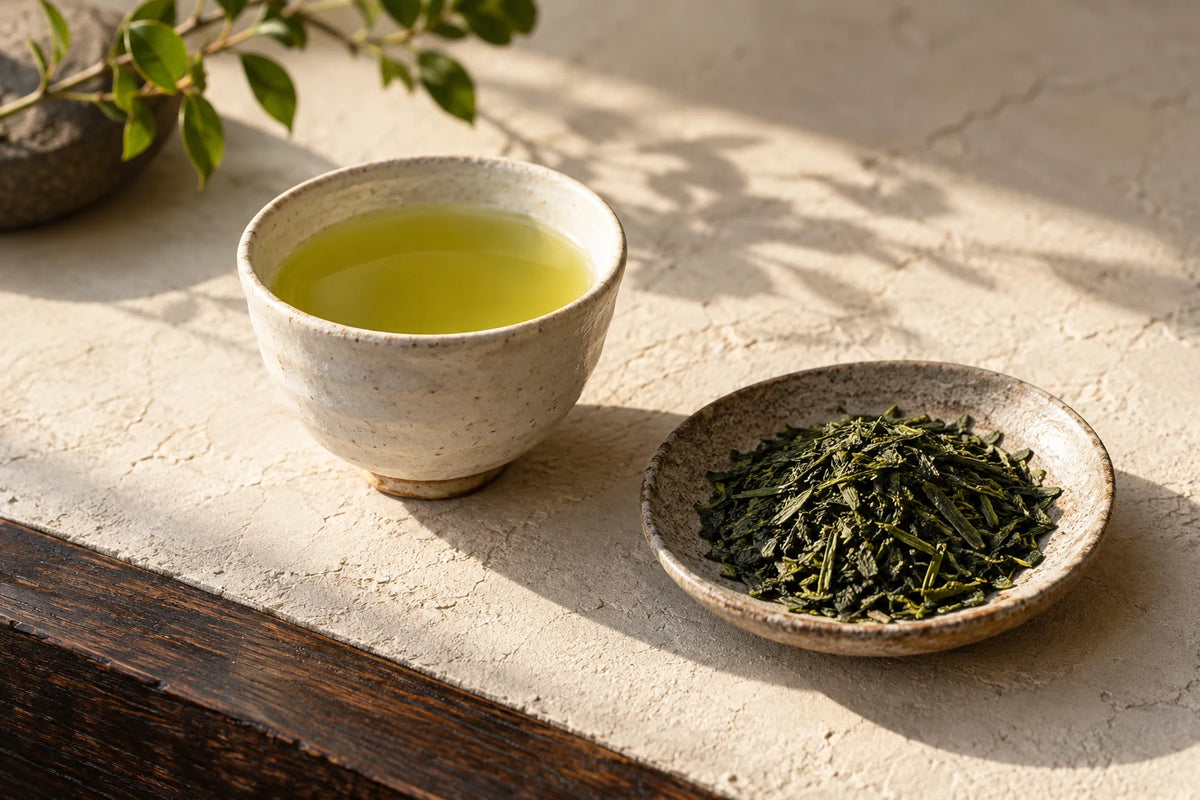 煎茶
01 / Sencha · Freshness
The freshness of the leaf.
Sencha is an invitation to notice the leaf: its fresh aroma, its lively edge, and the sweetness that follows. Steaming preserves its green character; rolling shapes the leaf before it is dried. Within this familiar family, there is a remarkable range of expression.
Our collection includes deep-steamed sencha. Take a moment before the first sip. Notice the colour, breathe in the aroma, and let the tea settle on your tongue.
What does “deep-steamed” mean?
Fukamushi means deep-steamed. Longer steaming makes the leaves more fragile, so they tend to break into smaller pieces. The resulting infusion can look cloudier and feel fuller. Cloudiness alone is not a measure of quality.
Pause before the first sip. Look for freshness first, then the sweetness in the finish.
Shop by ingredient
Discover green tea in our collection.
Explore the tea on its own, or discover how it becomes part of a blend.
This selection includes sencha and green tea in genmaicha. Each card names the tea used.

Leaf tea
Reverie of Warashina
Green tea
Fresh green aroma and gentle umami.
View product ↗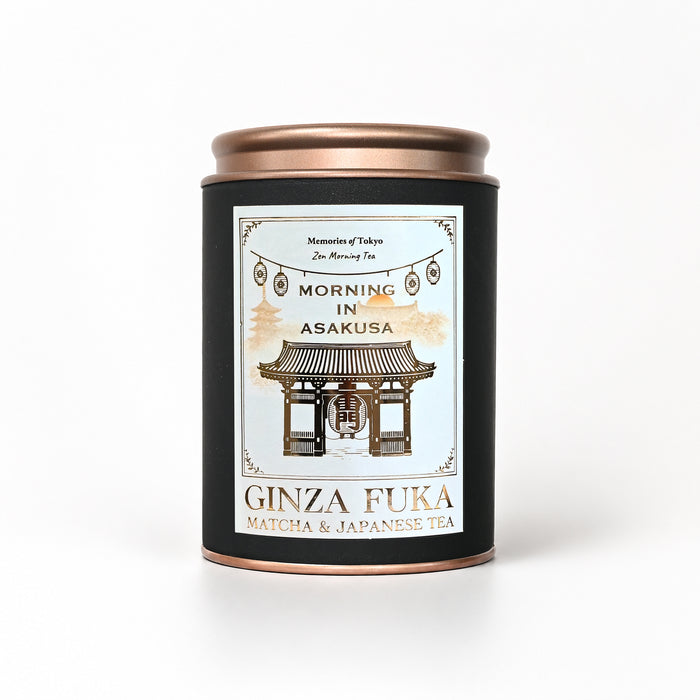
Botanical blend
Morning in Asakusa
Deep-steamed sencha · Stem houjitcha
Sencha and roasted tea with osmanthus, jasmine and tonka.
View product ↗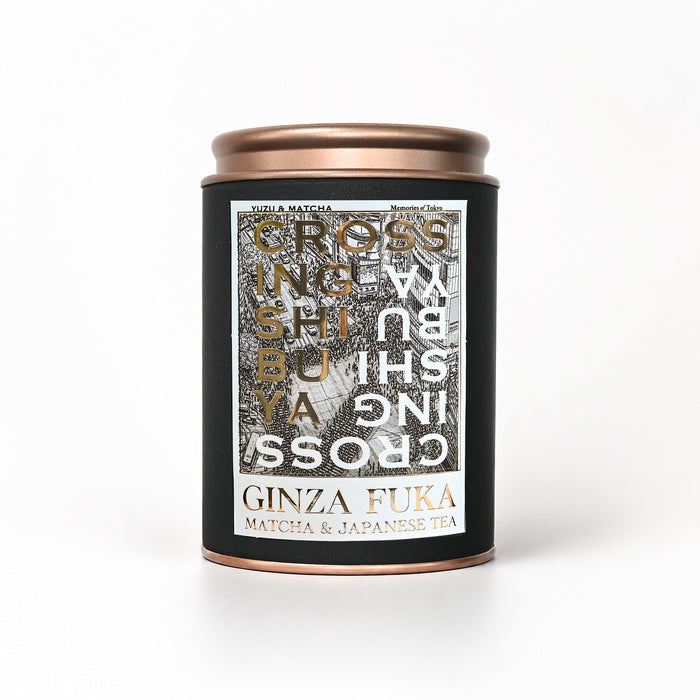
Infused blend with matcha
Crossing Shibuya
Green tea (genmaicha) · Matcha
Matcha genmaicha and yuzu. Brew as an infusion, rather than whisking as pure matcha.
View product ↗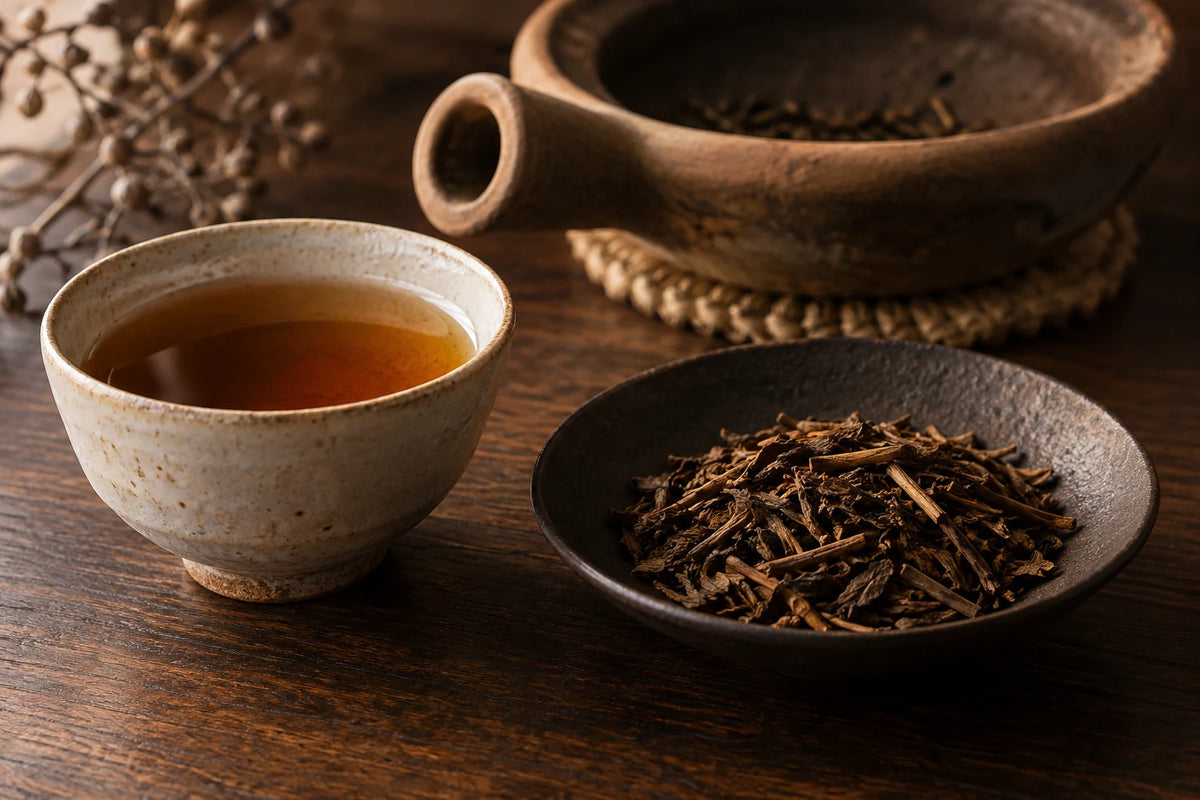 ほうじ茶
02 / Houjitcha · Roasted warmth
Transformed by fire.
The first impression is often the aroma: warm wood, toasted grain, a comforting roasted fragrance. Houjitcha begins with tea such as sencha or bancha. Roasting changes its colour and brings a different aromatic world into focus.
Its amber cup offers another way to enjoy Japanese green tea. Watch the leaves, smell the infusion, and notice how different the same tea family can become.
Is brown tea still green tea?
Yes. “Green tea” describes the tea family and processing, not simply the colour in your cup. Houjitcha is roasted green tea. You may also see its name written as hojicha or hōjicha.
Warm the cup in your hands. Breathe in before you taste.
Shop by ingredient
Discover houjitcha in our collection.
Explore the tea on its own, or discover how it becomes part of a blend.
Leaf tea
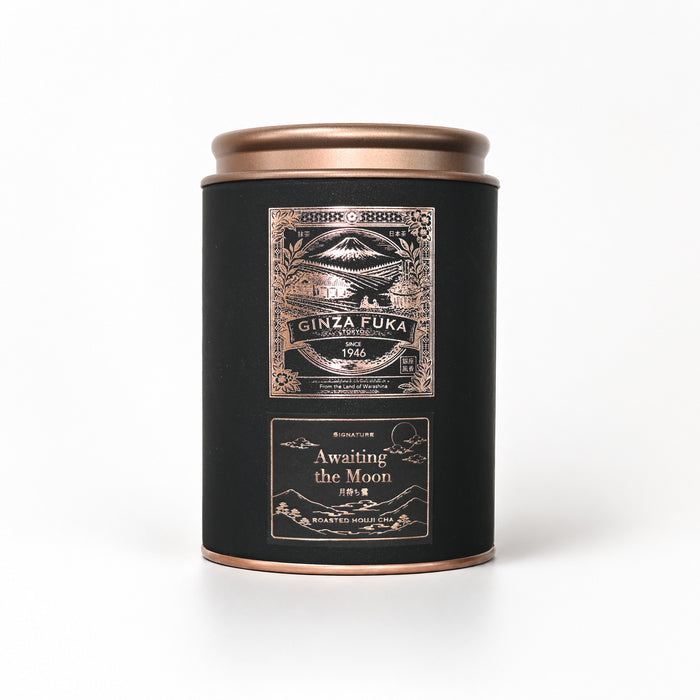
Awaiting the Moon
Roasted houjitcha
Roasted warmth, toasted grain and a smooth finish.
View product ↗Botanical blend
Morning in Asakusa
Deep-steamed sencha · Stem houjitcha
Sencha and roasted tea with osmanthus, jasmine and tonka.
View product ↗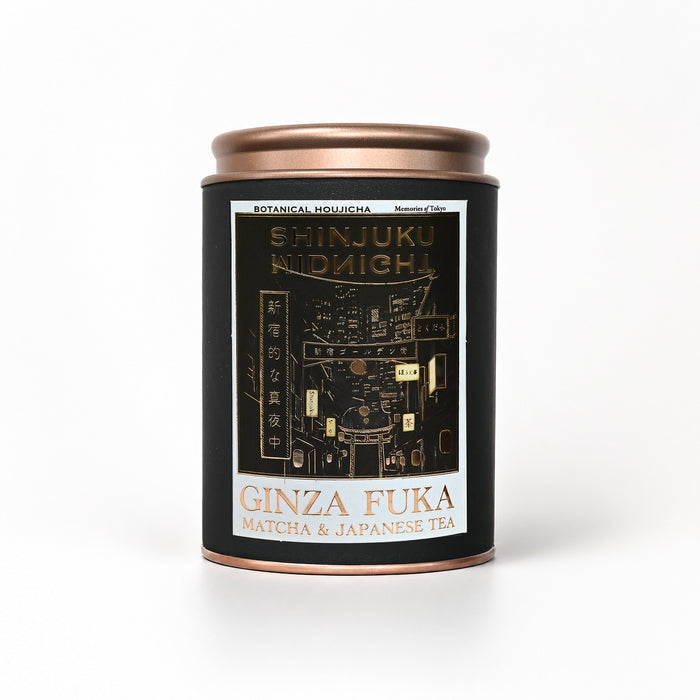
Botanical blend
Shinjuku Midnight
Deep-roasted houjitcha
Roasted tea with black soybean, dokudami and white chrysanthemum.
View product ↗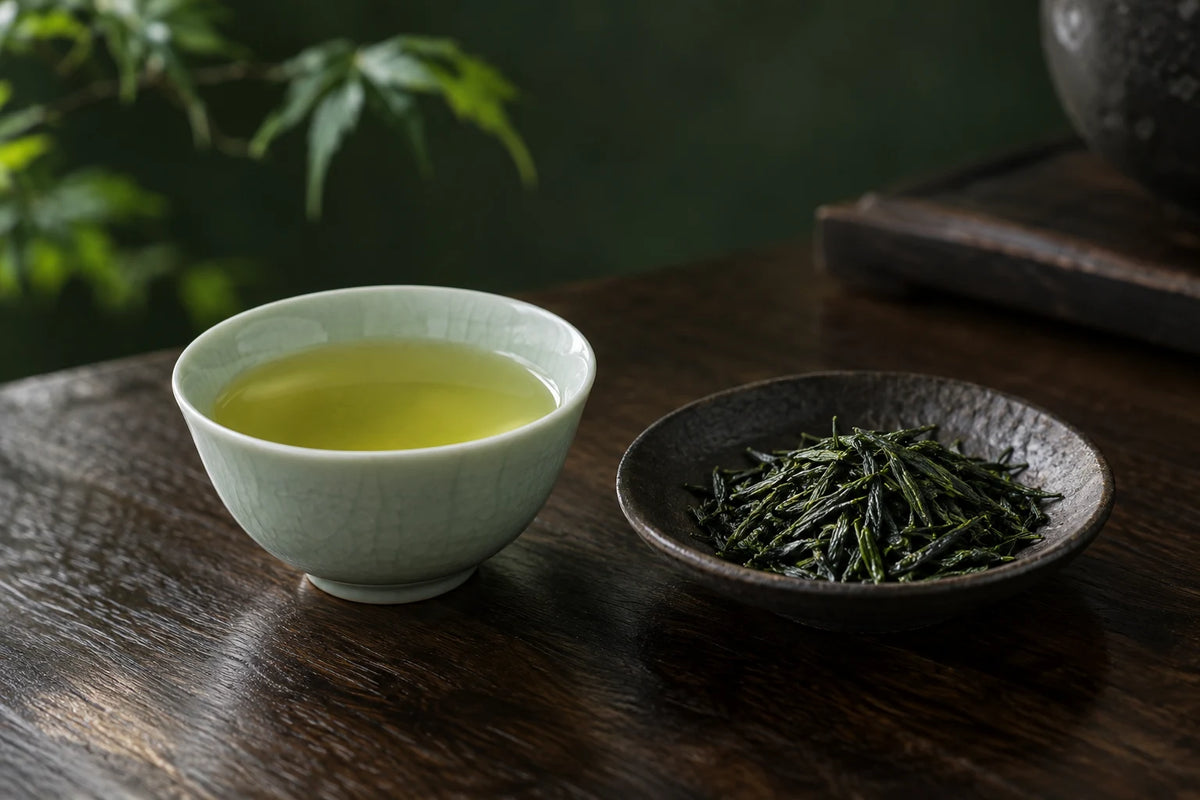 玉露
03 / Gyokuro · Umami
A taste shaped by shade.
Before harvest, the tea plants are covered to reduce sunlight. The leaves are then steamed, rolled and dried. This careful path creates a tea celebrated for its savoury depth and mellow character.
Serve a little, and give it your attention. Gyokuro invites you to explore umami: the savoury fullness you may recognise in a delicate broth, lingering after the sip.
Is umami the same as bitterness?
No. Umami is a savoury taste. Bitterness is a different sensation, while astringency is the drying or puckering feeling a tea can leave in your mouth. Notice them separately, rather than calling every intense tea “strong”.
Take a small sip and wait. Notice what remains after you swallow.
Shop by ingredient
Discover gyokuro in our collection.
Explore the tea on its own, or discover how it becomes part of a blend.
 抹茶
04 / Matcha · Texture
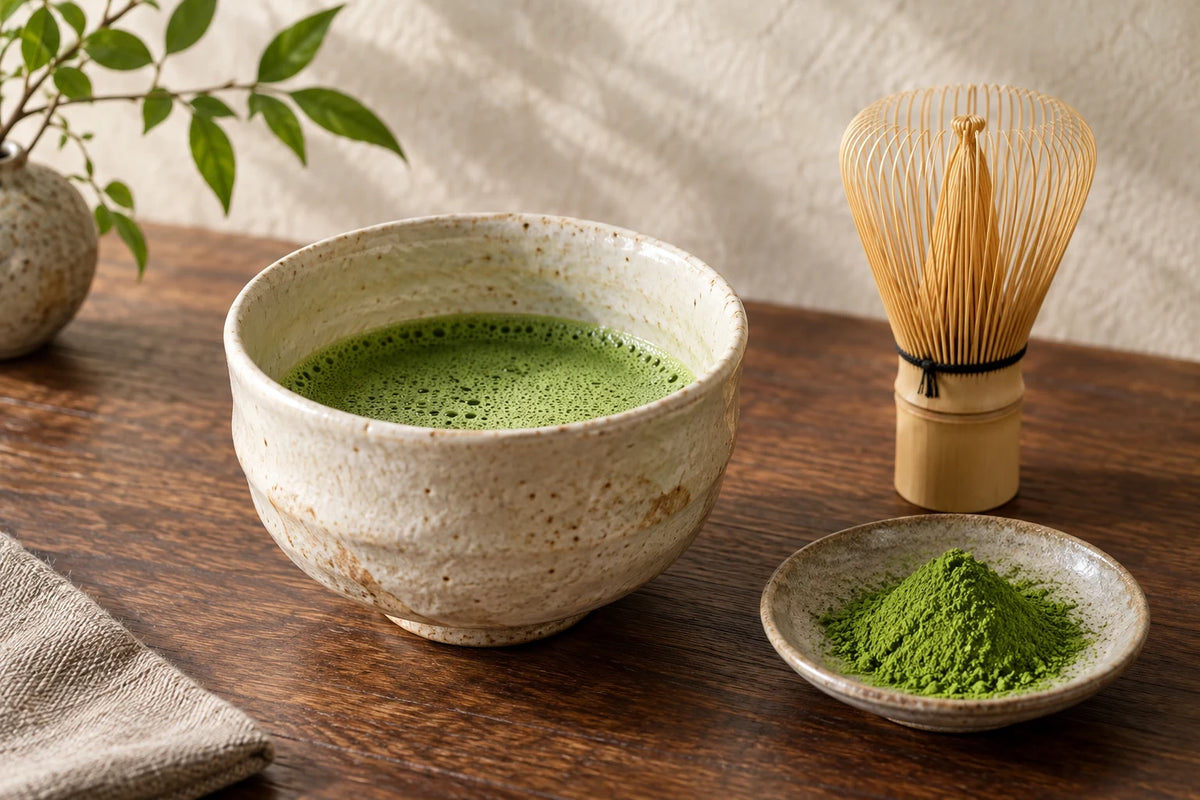
The leaf, whisked into life.
Matcha starts with shaded leaves made into tencha, a tea dried without the rolling used for sencha and gyokuro. The refined leaf is ground into a fine powder. It is not simply powdered sencha.
With matcha, the leaf becomes part of the drink. Water, powder and the movement of a whisk create a texture as important as the aroma. From a light bowl of usucha to the density of koicha or the softness of a latte, preparation opens different possibilities.
Does matcha dissolve?
Not completely. Its fine particles disperse in the water rather than dissolving like sugar. Sifting helps break up clumps; whisking brings the powder and water together. Some settling over time is natural.
Sift, whisk, then taste. Notice the texture as well as the flavour.
Shop by ingredient
Discover matcha in our collection.
Explore the tea on its own, or discover how it becomes part of a blend.
Matcha powders are whisked. Crossing Shibuya is a tea blend containing matcha, prepared as an infusion.
Matcha powder
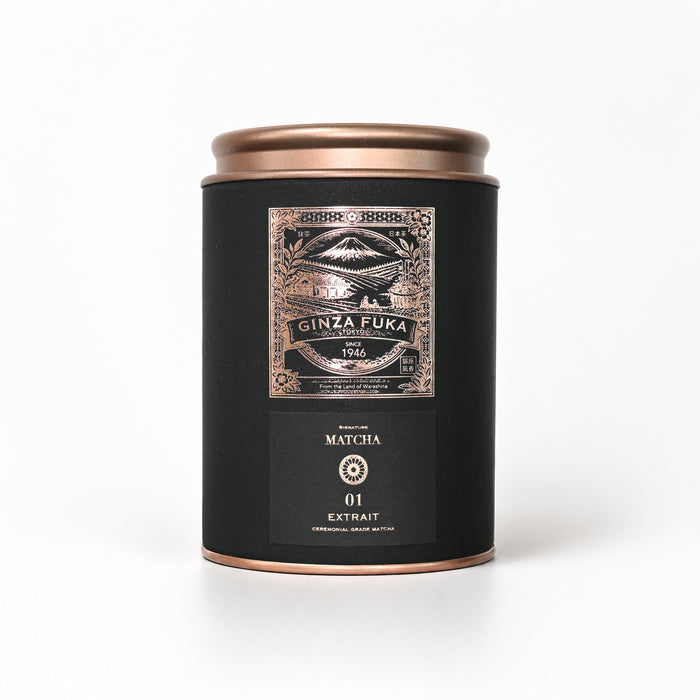
Matcha 01 — Extrait
Matcha
Concentrated umami and a long finish, made for traditional preparation.
View product ↗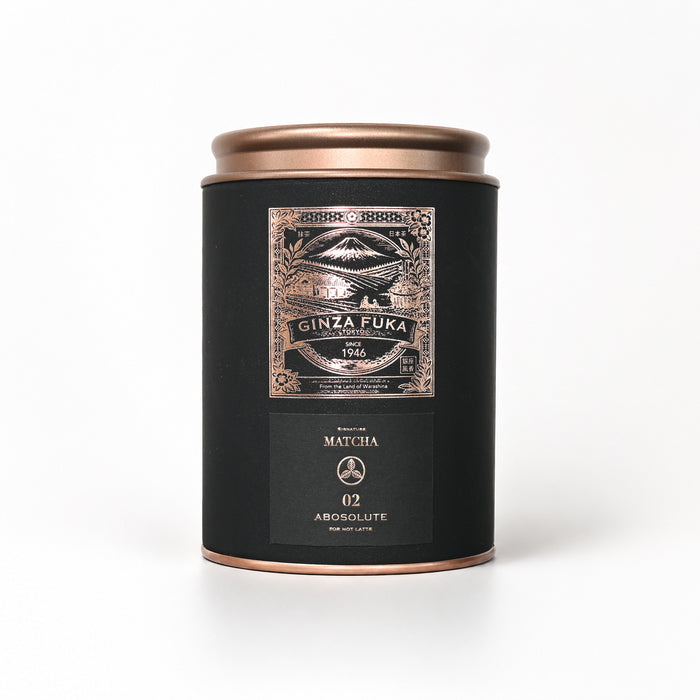
Matcha powder
Matcha 02 — Absolute
Matcha
Rich umami and vivid green aroma, with water or in a hot latte.
View product ↗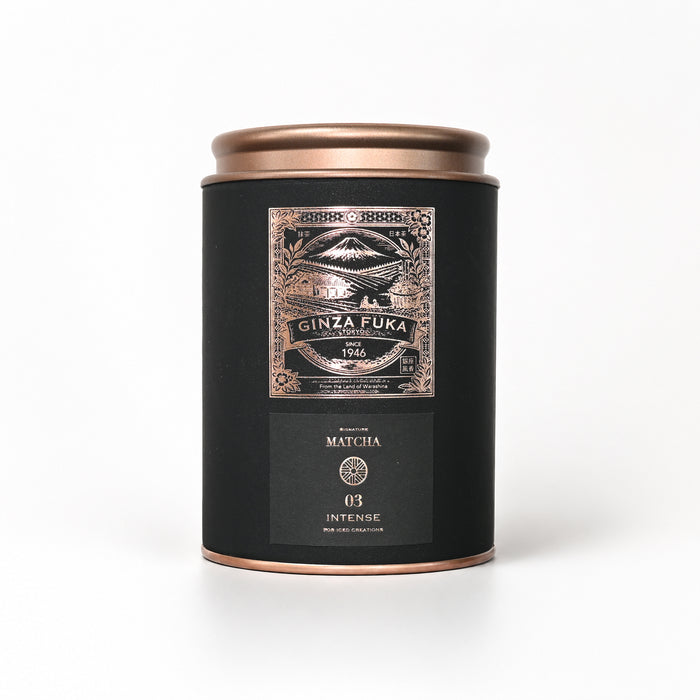
Matcha powder
Matcha 03 — Intense
Matcha
Fresh green character with the presence to shine in an iced latte.
View product ↗Infused blend with matcha
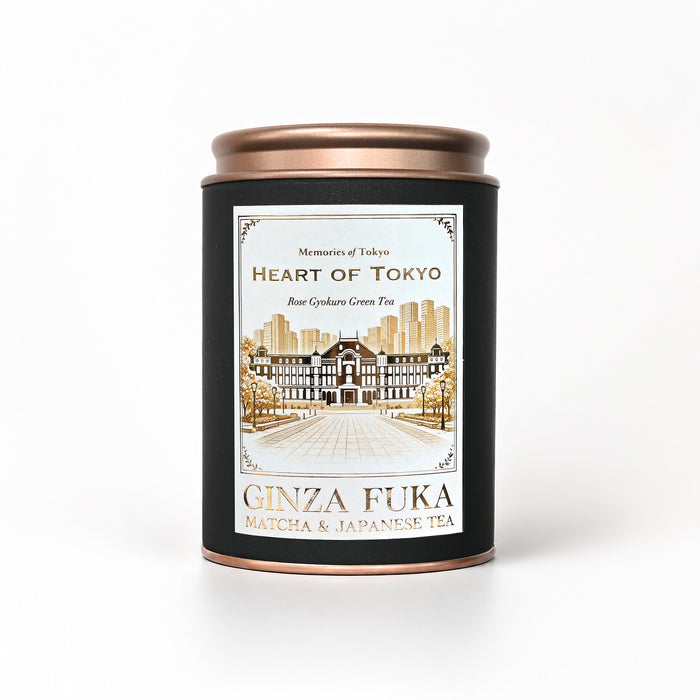
Crossing Shibuya
Green tea (genmaicha) · Matcha
Matcha genmaicha and yuzu. Brew as an infusion, rather than whisking as pure matcha.
View product ↗A closer look
Side by side.
Four ways to understand the leaf. None needs to be your only favourite.
| In the cup & beyond | Sencha | Houjitcha | Gyokuro | Matcha |
|---|---|---|---|---|
| Growing | Usually grown in open sunlight. | Depends on the tea chosen for roasting. | Shaded before harvest. | Shaded before harvest. |
| Finishing | Steamed, rolled and dried. | Tea leaves or stems are roasted. | Steamed, rolled and dried. | Steamed and dried without rolling into tencha; then finely ground. |
| Preparation | Infuse the leaves, then pour off the tea. | Infuse the roasted tea, then strain. | Infuse gently; savour a small serving. | Suspend the powder in water; drink the leaf itself. |
| Taste & aroma | Fresh, vegetal; a balance of sweetness, umami and astringency. | Toasty, woody and warmly aromatic. | Deep umami, mellow sweetness and a seaweed-like aroma. | Green, savoury and varied, from gentle sweetness to a lively bitter edge. |
| Texture | Light to full, depending on the leaf and the brew. | Often light and clean, with a roasted finish. | Often rounded and concentrated when brewed traditionally. | Fine particles give body; preparation changes the mouthfeel. |
Follow your curiosity
What are you
in the mood for?
There is no single right answer. Begin with a feeling.
Your next cup / Sencha
Begin with sencha
Explore the fresh, leafy side of Japanese tea. Look for sencha in our collection.
Shop by ingredient
Discover green tea in our collection.
Explore the tea on its own, or discover how it becomes part of a blend.
This selection includes sencha and green tea in genmaicha. Each card names the tea used.
Leaf tea
Reverie of Warashina
Green tea
Fresh green aroma and gentle umami.
View product ↗Botanical blend
Morning in Asakusa
Deep-steamed sencha · Stem houjitcha
Sencha and roasted tea with osmanthus, jasmine and tonka.
View product ↗Infused blend with matcha
Crossing Shibuya
Green tea (genmaicha) · Matcha
Matcha genmaicha and yuzu. Brew as an infusion, rather than whisking as pure matcha.
View product ↗Your next cup / Houjitcha
Begin with houjitcha
Follow the aroma toward toasted warmth and an amber cup. Explore roasted tea in our collection.
Shop by ingredient
Discover houjitcha in our collection.
Explore the tea on its own, or discover how it becomes part of a blend.
Leaf tea
Awaiting the Moon
Roasted houjitcha
Roasted warmth, toasted grain and a smooth finish.
View product ↗Botanical blend
Morning in Asakusa
Deep-steamed sencha · Stem houjitcha
Sencha and roasted tea with osmanthus, jasmine and tonka.
View product ↗Botanical blend
Shinjuku Midnight
Deep-roasted houjitcha
Roasted tea with black soybean, dokudami and white chrysanthemum.
View product ↗Your next cup / Gyokuro
Begin with gyokuro
Choose a slower tasting moment, with savoury depth and a lingering finish. Explore gyokuro in our collection.
Shop by ingredient
Discover gyokuro in our collection.
Explore the tea on its own, or discover how it becomes part of a blend.
Your next cup / Matcha
Begin with matcha
Make preparation part of the pleasure. Explore our matcha collection and choose a tea suited to your favourite way of drinking it.
Shop by ingredient
Discover matcha in our collection.
Explore the tea on its own, or discover how it becomes part of a blend.
Matcha powders are whisked. Crossing Shibuya is a tea blend containing matcha, prepared as an infusion.
Matcha powder
Matcha 01 — Extrait
Matcha
Concentrated umami and a long finish, made for traditional preparation.
View product ↗Matcha powder
Matcha 02 — Absolute
Matcha
Rich umami and vivid green aroma, with water or in a hot latte.
View product ↗Matcha powder
Matcha 03 — Intense
Matcha
Fresh green character with the presence to shine in an iced latte.
View product ↗Infused blend with matcha
Crossing Shibuya
Green tea (genmaicha) · Matcha
Matcha genmaicha and yuzu. Brew as an infusion, rather than whisking as pure matcha.
View product ↗